Play-based classroom experiences can invite young children to observe, communicate, create and cooperate. These adaptable ideas use simple routines and educator guidance.
1. Colour sorting
Purpose: noticing similarities and differences. Implementation: invite children to place safe coloured objects into matching containers. Guidance: name colours naturally and allow children to explain their choices.
2. Story-circle activity
Purpose: listening and expressive language. Implementation: read a short picture story and pause for predictions. Guidance: accept varied responses and keep questions age appropriate.
3. Shape matching
Purpose: visual recognition and comparison. Implementation: match large shape cards or safe classroom objects. Guidance: discuss edges and curves without turning play into a test.
4. Nature collection
Purpose: observation and vocabulary. Implementation: collect safe leaves or natural objects during a supervised walk. Guidance: set clear safety boundaries and compare texture, size and colour.
5. Music and movement
Purpose: rhythm, listening and coordinated participation. Implementation: use simple action songs or clap-and-copy patterns. Guidance: offer seated or gentler movement choices when appropriate.
6. Picture sequencing
Purpose: order and storytelling. Implementation: arrange three or four familiar event pictures. Guidance: ask children to describe why one event may come before another.
7. Building-block challenge
Purpose: planning and spatial exploration. Implementation: invite small groups to build a bridge or enclosure. Guidance: focus on experimentation and cooperation rather than a perfect model.
8. Role play
Purpose: communication and imagination. Implementation: create a simple shop, clinic or home corner with safe props. Guidance: model respectful language and let children develop the scenario.
9. Sensory exploration
Purpose: descriptive language and careful observation. Implementation: compare safe materials with different textures. Guidance: supervise closely and never require a child to touch an unfamiliar material.
10. Group art activity
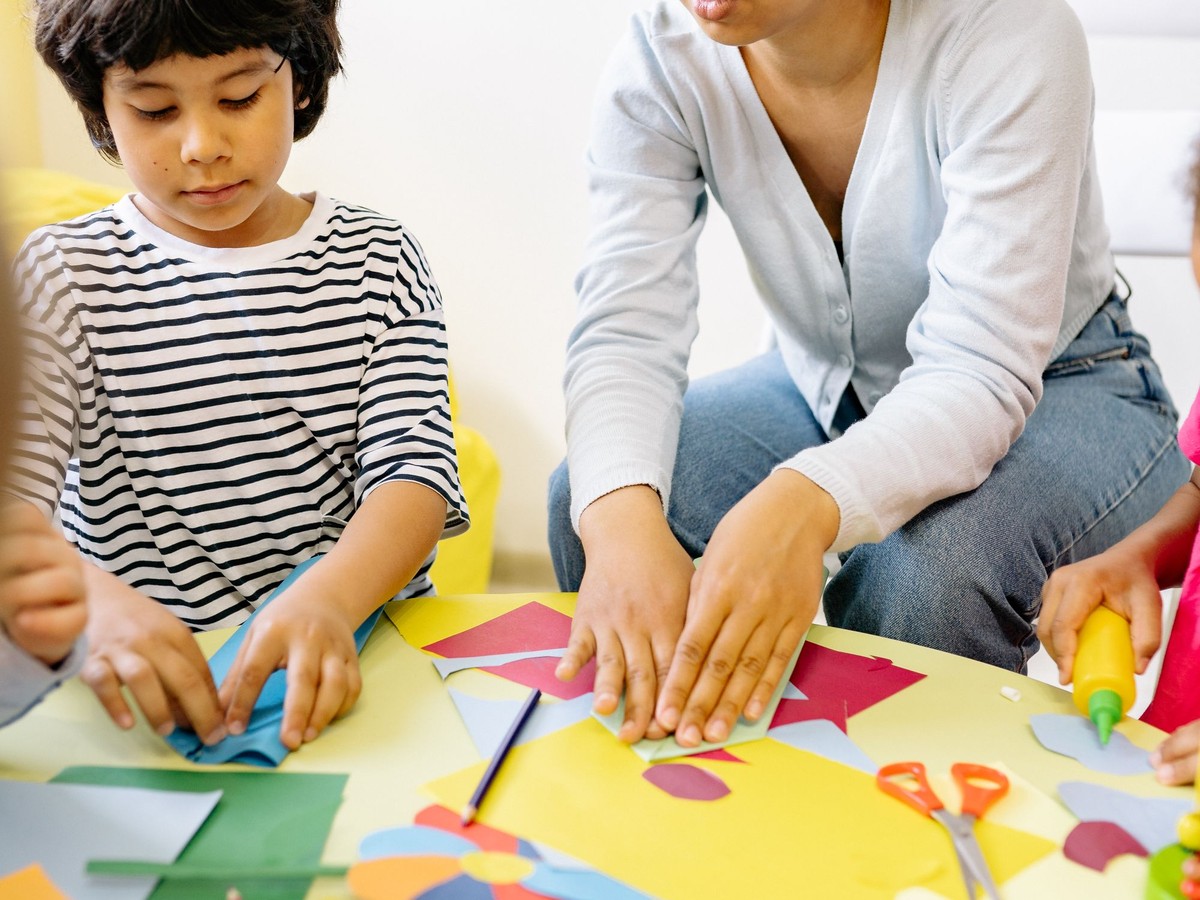
Purpose: shared creative participation. Implementation: create one large collage or mural. Guidance: provide enough materials and value individual contributions without judging artistic ability.
Conclusion
These ideas are most useful when adapted thoughtfully to the learners, programme context and classroom environment. Small, consistent improvements can strengthen professional practice over time.