
Real Classrooms
Observe classroom organisation, routines and activity transitions in an early-learning environment.
Learn by Observing, Participating and Practising
SIAE combines online academic learning with structured classroom practice, guided observation and mentor support through the My Junior School Network.
Practical classroom experience is a central part of SIAE’s teacher-training model. Learners connect academic knowledge with classroom organisation, child interaction, activity planning and teaching practice.
Through observation, guided participation and mentor feedback, trainees progressively develop the confidence and professional habits required in early-learning environments.
Observe, participate, practise and reflect in a structured learning environment.
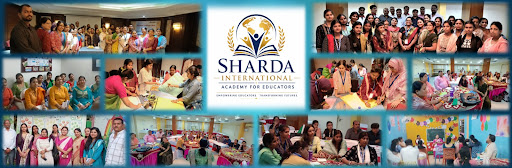
Learners observe classroom organisation, routines, child behaviour, activity transitions and teaching methods in functioning early-learning environments.
Guided participation then helps trainees apply lesson plans, conduct age-appropriate activities, interact with children and reflect on their classroom practice with mentor support.

My Junior School provides a practical learning ecosystem where supported learners can experience how preschool classrooms function and how child-centred learning is delivered.
Observe classroom organisation, routines and activity transitions in an early-learning environment.
Move from observation to participation and teaching practice under guidance.
Plan and conduct child-centred activities that connect theory with classroom application.
Seven approved classroom experiences help learners develop practical teaching, communication, planning and observation skills.
Practise engaging, play-based learning experiences that encourage active participation.
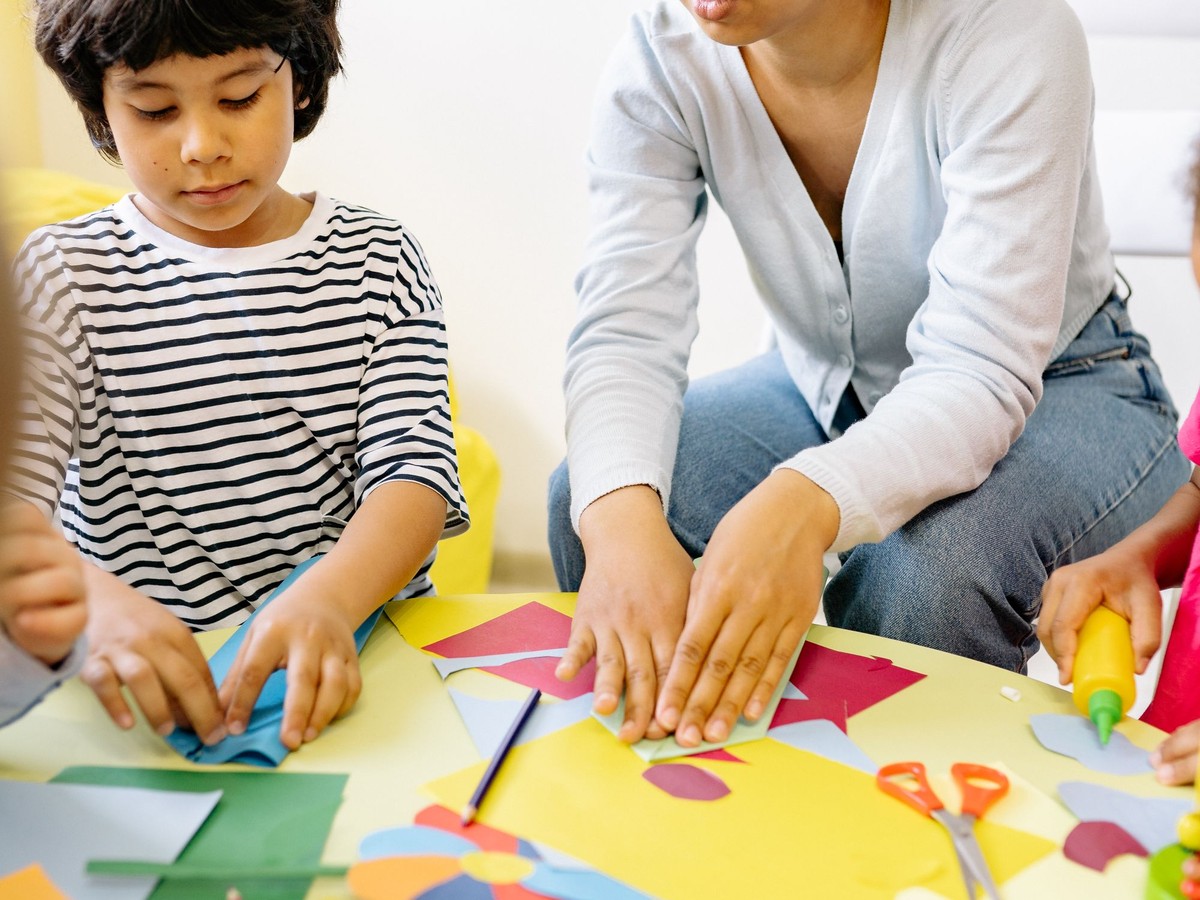
Use creative materials and guided making to support expression and fine-motor development.
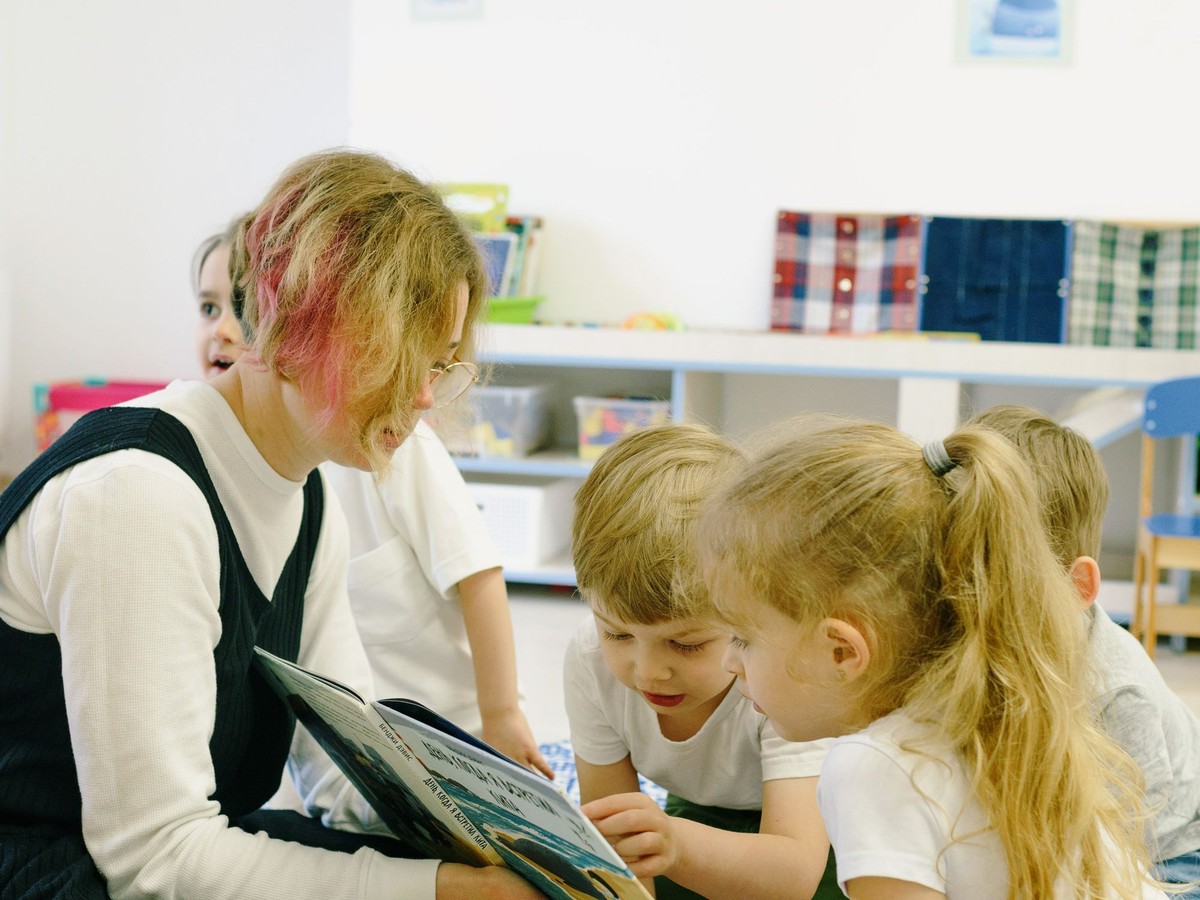
Develop expressive communication and learn to engage young learners through stories.
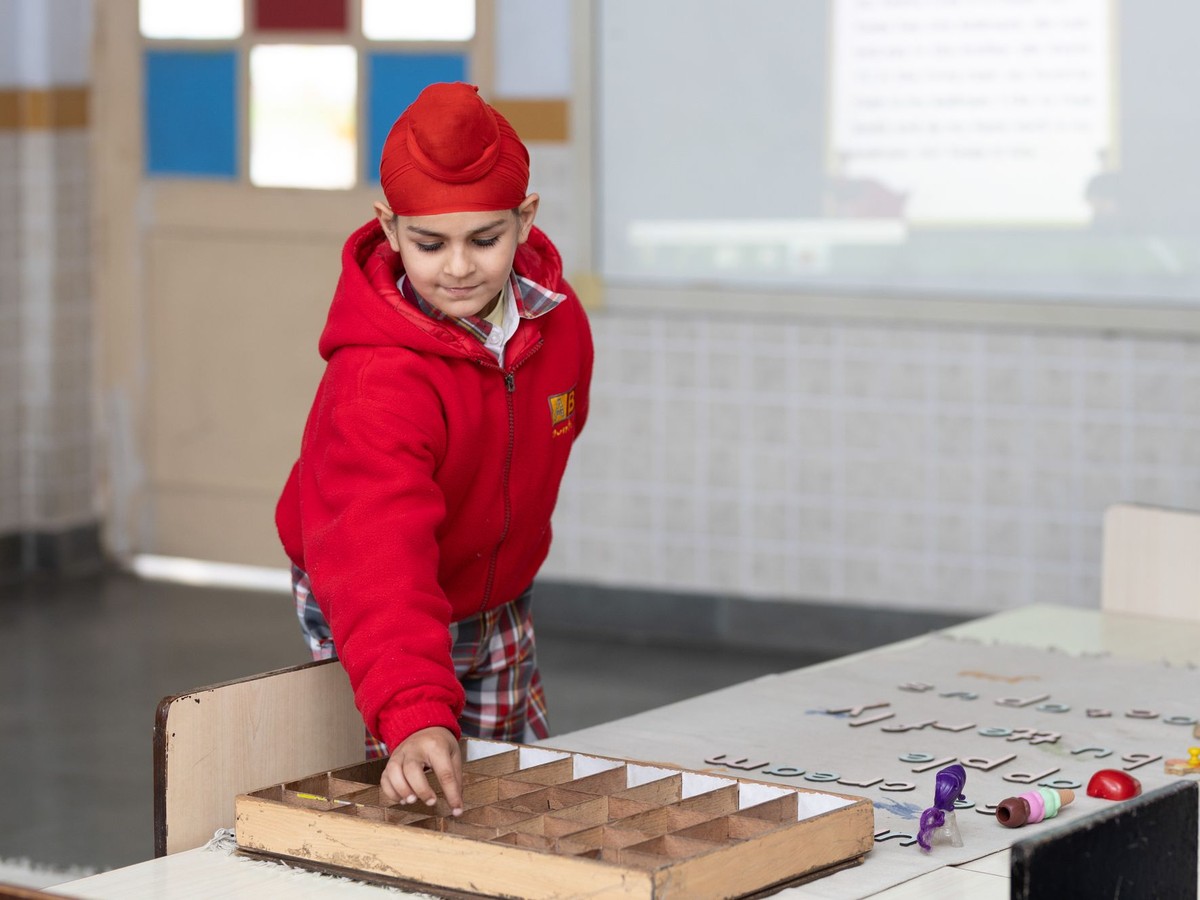
Explore practical-life and sensorial learning through purposeful materials.

Plan age-appropriate objectives, activities and learning sequences.
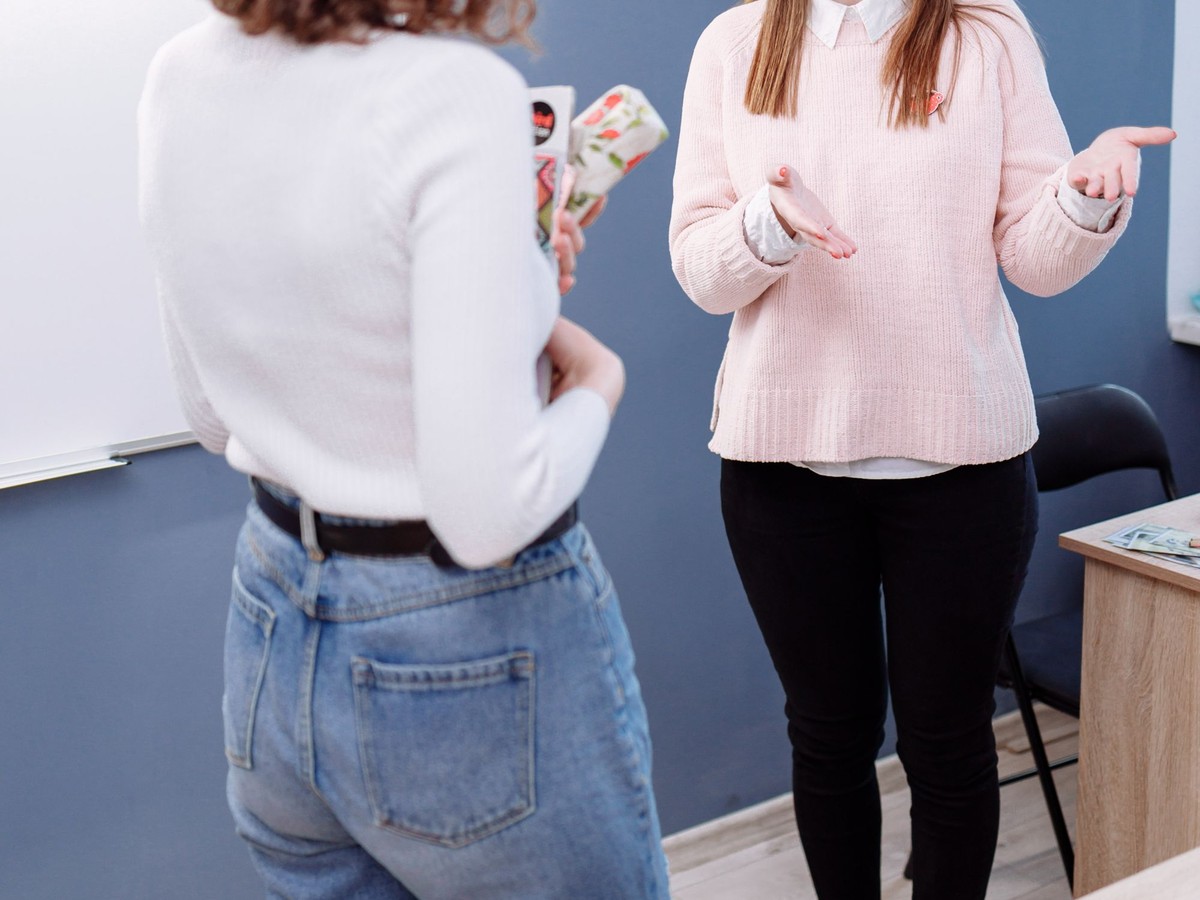
Build professional communication skills for discussing children’s learning and progress.
Observe teaching practice, classroom management and children’s responses.
The verified learning sequence moves trainees from observation to supported classroom application and reflection.
Study classroom organisation, routines, interaction and effective teaching practice.
Assist with classroom activities and daily learning routines under guidance.
Prepare lessons, conduct activities and develop classroom communication skills.
Reflect on teaching practice with mentor guidance and constructive feedback.
Experienced teacher educators support trainees as they develop planning, delivery and classroom-management skills.
Mentors demonstrate teaching practices and guide lesson preparation.
Observation connects teaching decisions with children’s engagement and learning.
Individual feedback helps trainees refine classroom planning and delivery.
Faculty and mentors guide learners with classroom observation, activity planning, lesson preparation, practical demonstrations and reflective improvement.
Build practical classroom understanding through observation, guided participation, teaching practice and mentor feedback.