
Real Classrooms
Functioning preschool environments with children, structured routines, and experienced faculty.
Learn by Observing, Participating and Practising
SIAE combines online learning with structured classroom practice at My Junior School centres, helping aspiring educators develop real teaching skills through observation, participation, and hands-on experience in functioning preschool environments.
At Sharda International Academy for Educators, practical training is not an add-on — it is central to the learning experience. Every programme integrates hands-on classroom practice alongside online theory, ensuring that aspiring educators develop confidence and competence before entering the profession.
Through our partnership with My Junior School, learners gain real exposure to functioning preschool classrooms where they observe experienced teachers, participate in guided activities, plan and deliver lessons, and receive structured feedback from trained mentors.
Observe, participate, practise and reflect in a structured learning environment.
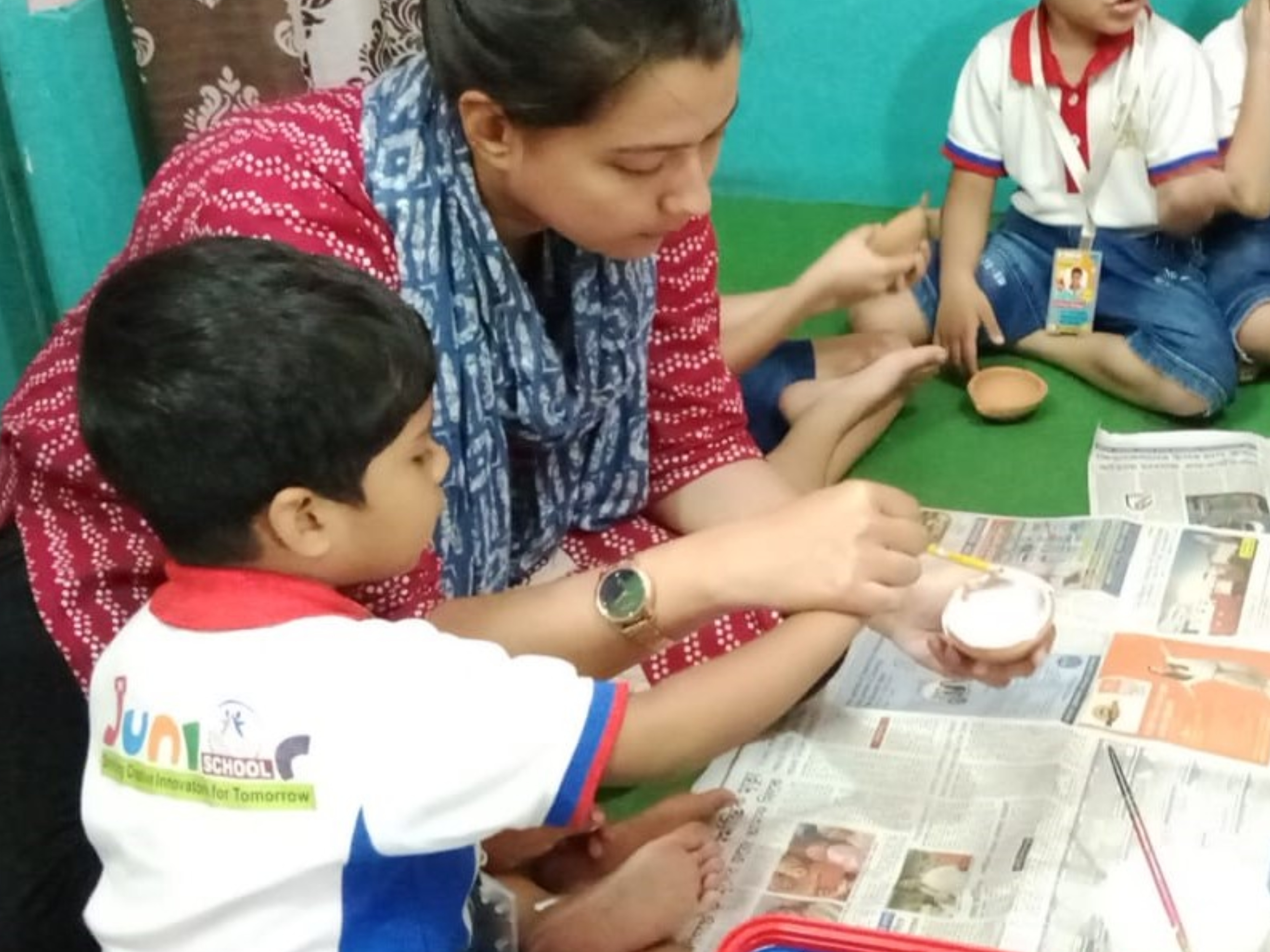
Classroom observation is the foundation of SIAE's practical training model. Before trainees begin teaching independently, they spend time observing experienced educators in real classroom settings at My Junior School centres. This allows them to understand teaching methods, classroom management, child interactions, and activity transitions as they happen naturally.
Following observation, trainees move into guided participation where they assist with classroom activities under mentor supervision. This gradual progression from watching to doing builds confidence and ensures trainees are well-prepared before taking on independent teaching responsibilities.
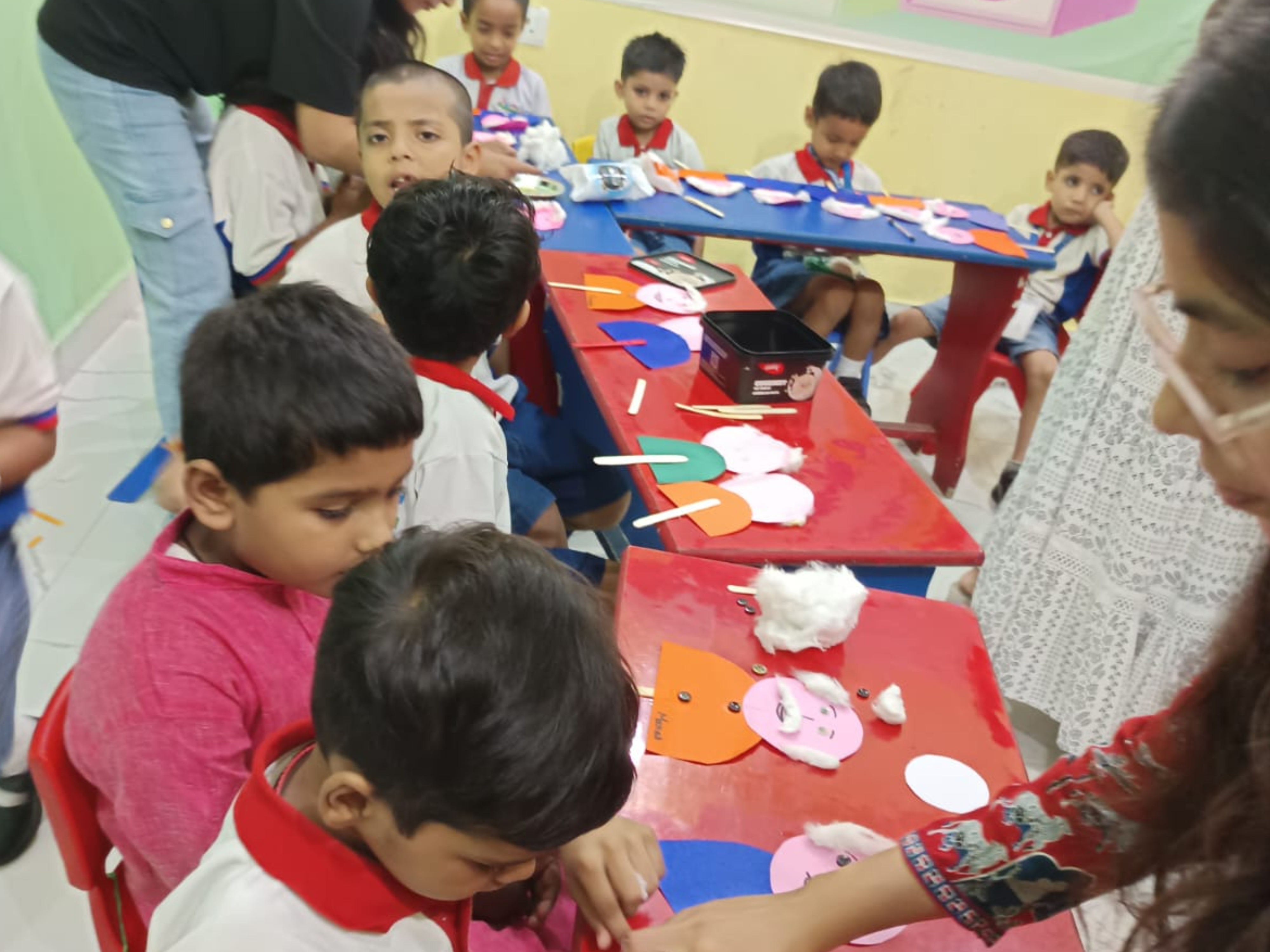
SIAE practical training takes place at My Junior School centres — a trusted preschool network operating across multiple locations in India. These centres serve as live classrooms where trainees learn through real teaching experience.
Functioning preschool environments with children, structured routines, and experienced faculty.
Mentor-supervised teaching sessions that build confidence through gradual responsibility.
Hands-on, play-based, and experiential learning activities aligned with ECCE best practices.
Practical training covers a wide range of classroom activities that prepare educators for real teaching environments.
Learners engage in interactive classroom tasks that develop confidence through real participation and guided involvement.
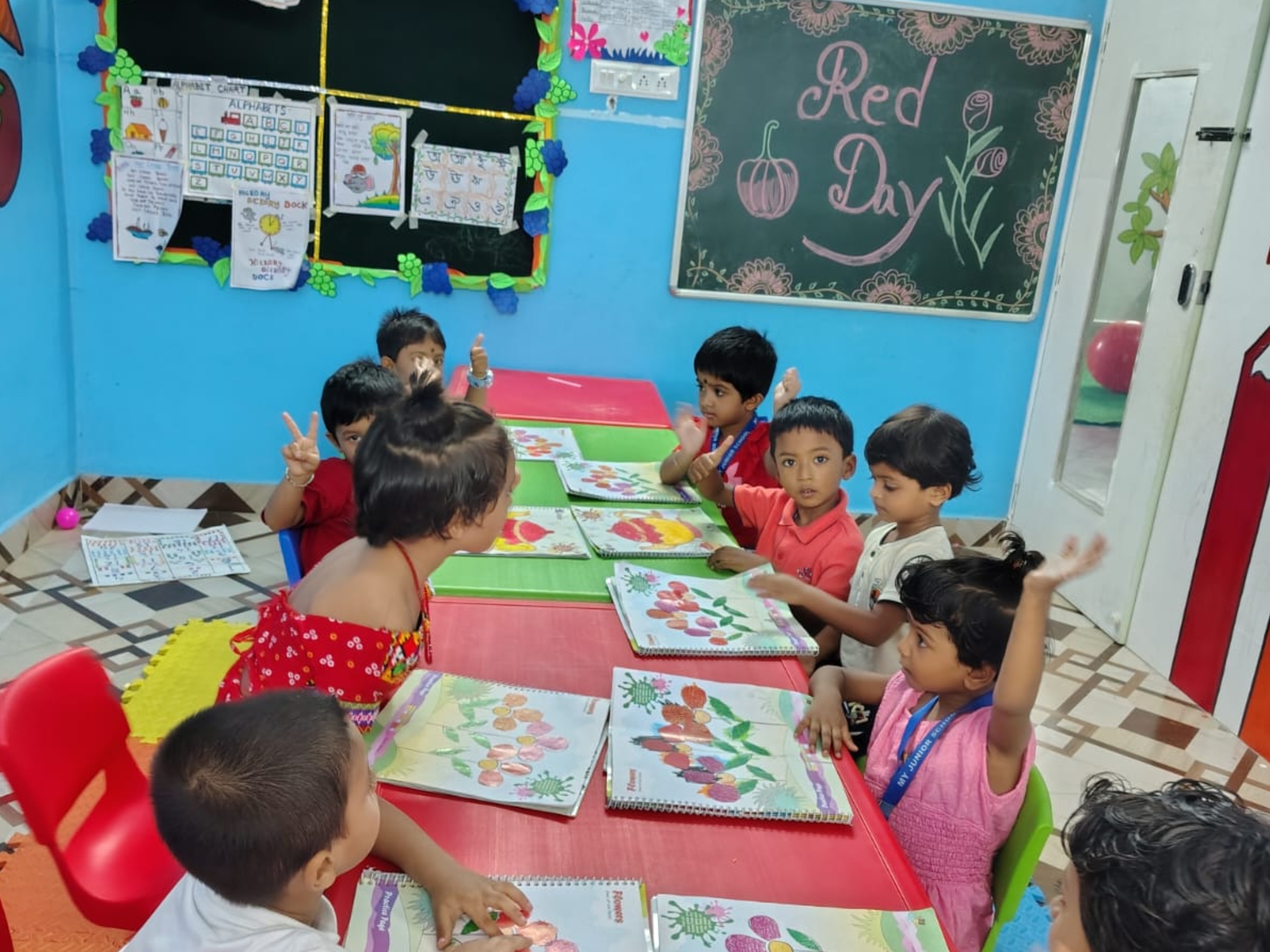
Trainees plan and conduct creative art and craft sessions, developing skills in material preparation, age-appropriate techniques, and engaging young learners through creativity.
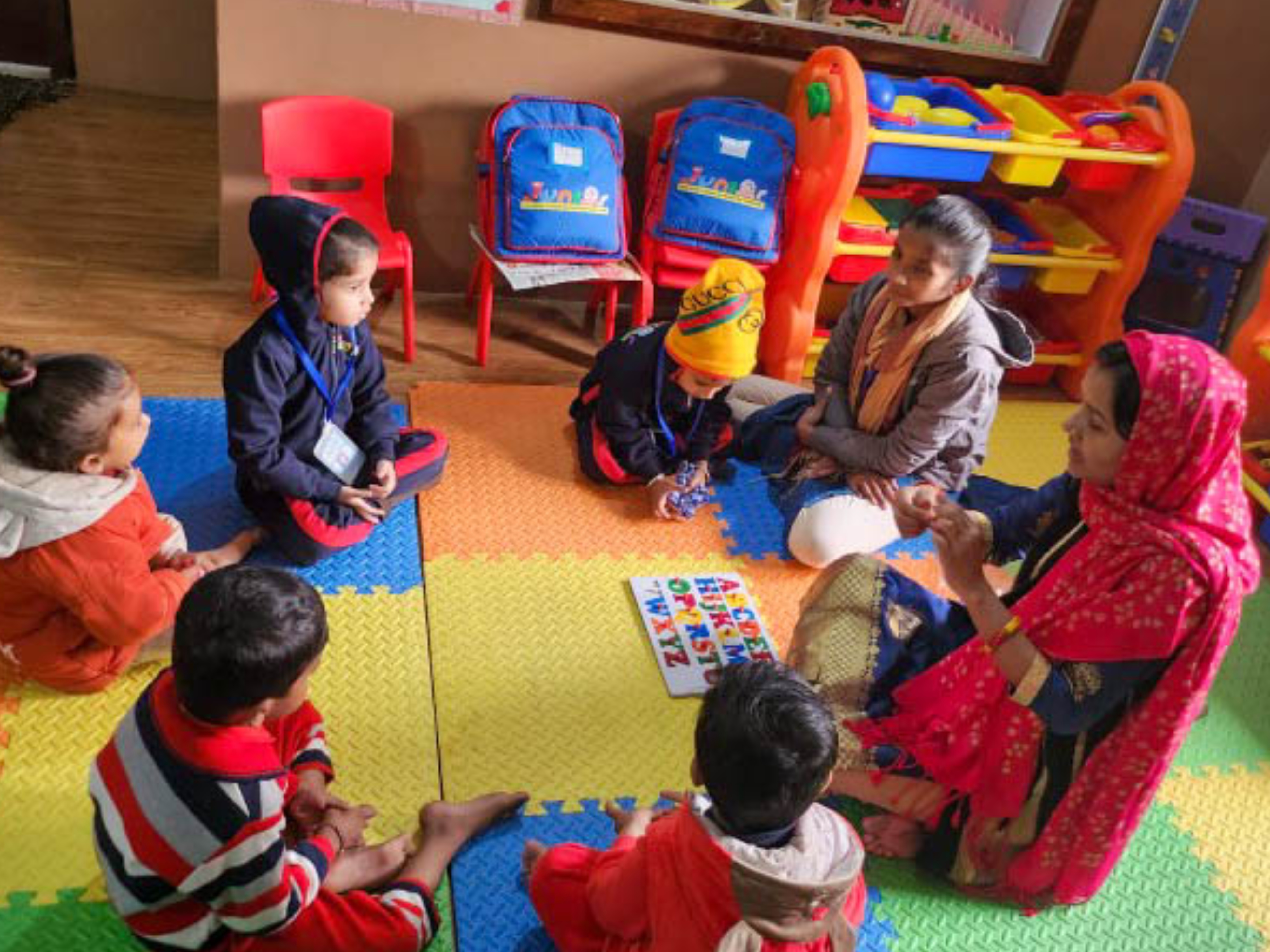
Trainees practise storytelling techniques including voice modulation, visual aids, and interactive narration to develop language skills and imagination in young children.
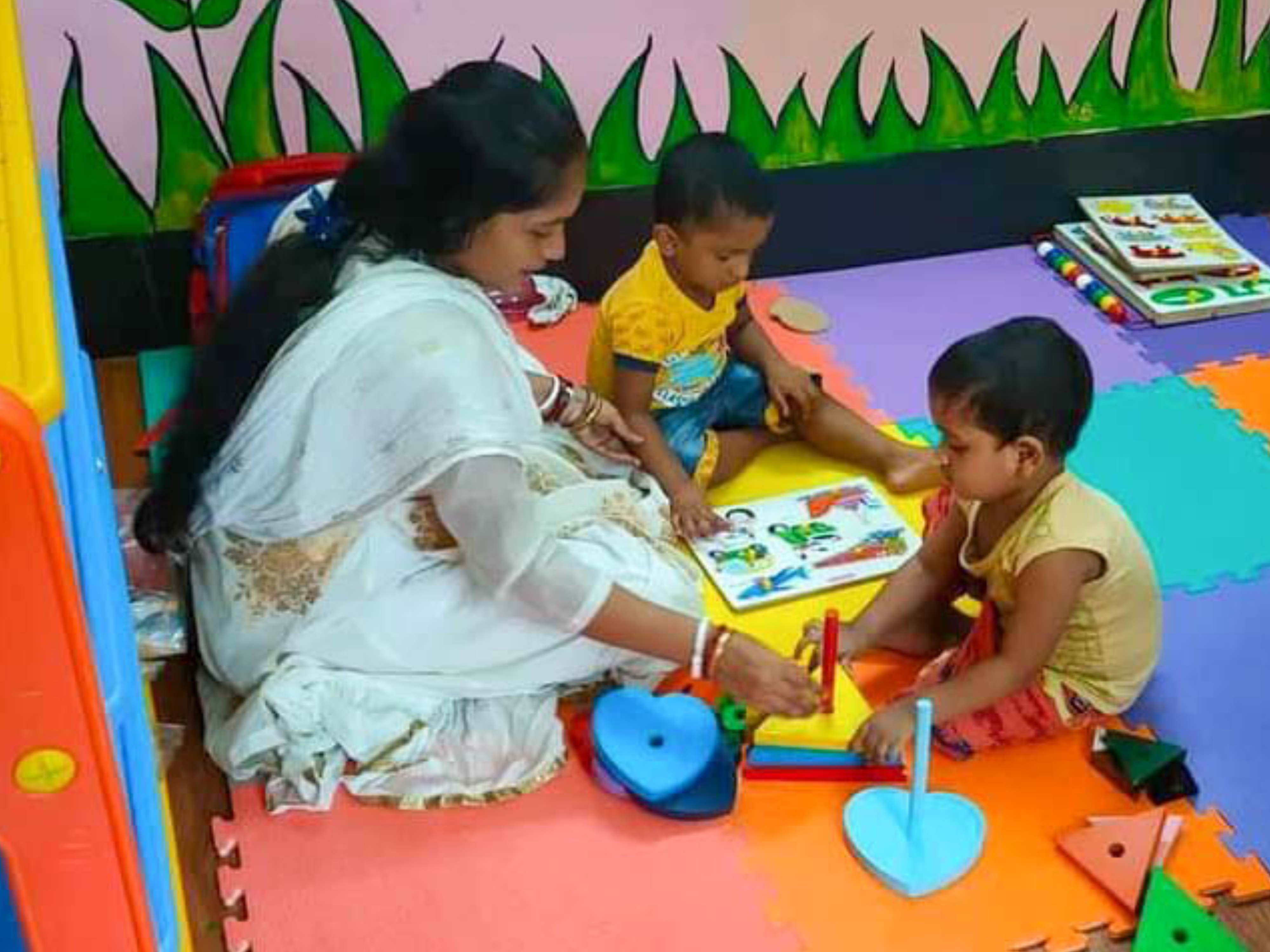
Hands-on experience with Montessori materials and methods, understanding self-directed learning, sensorial activities, and practical life exercises for early childhood.
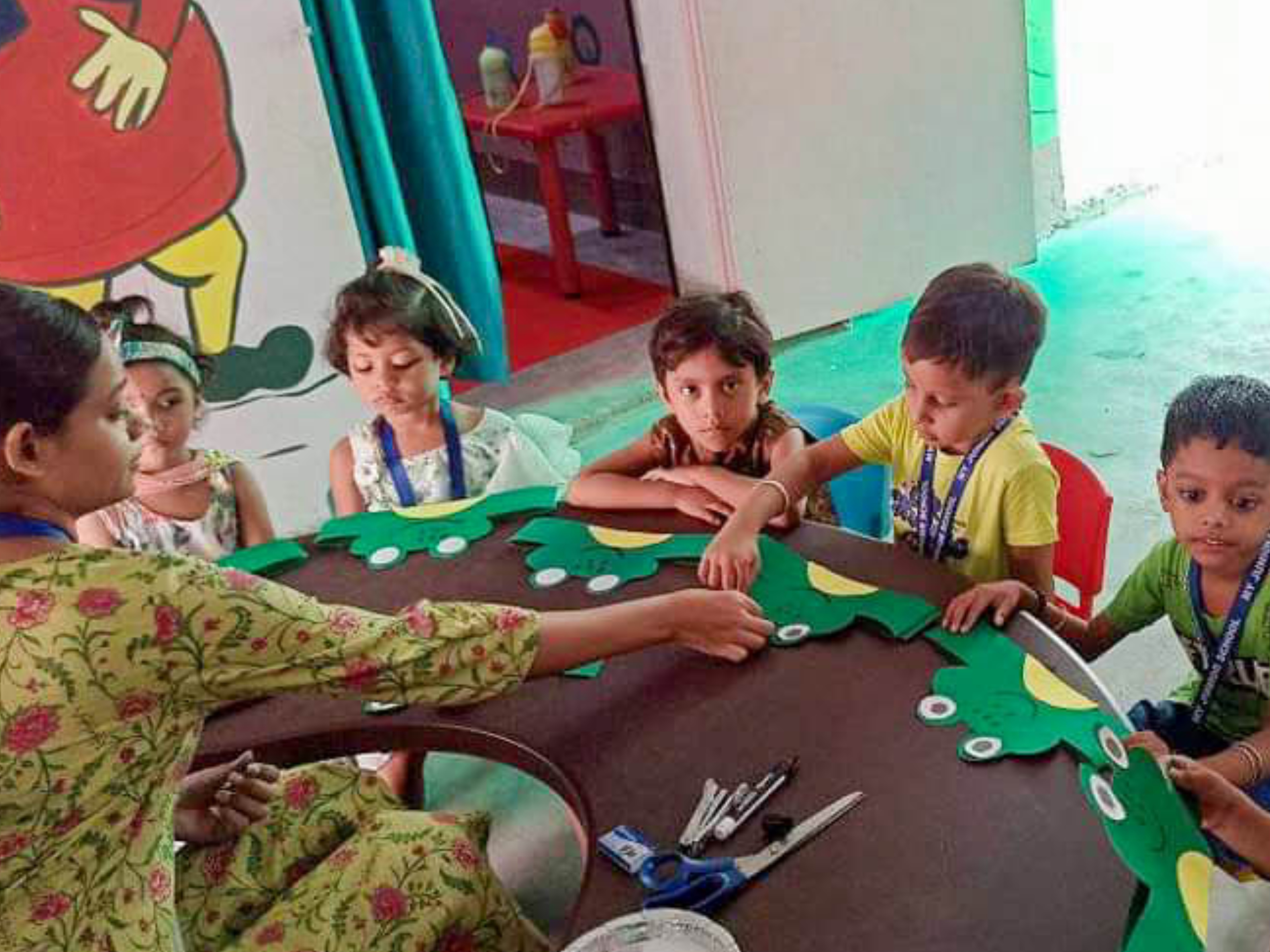
Trainees learn to create structured lesson plans covering objectives, activities, materials, time allocation, and assessment strategies for different age groups.
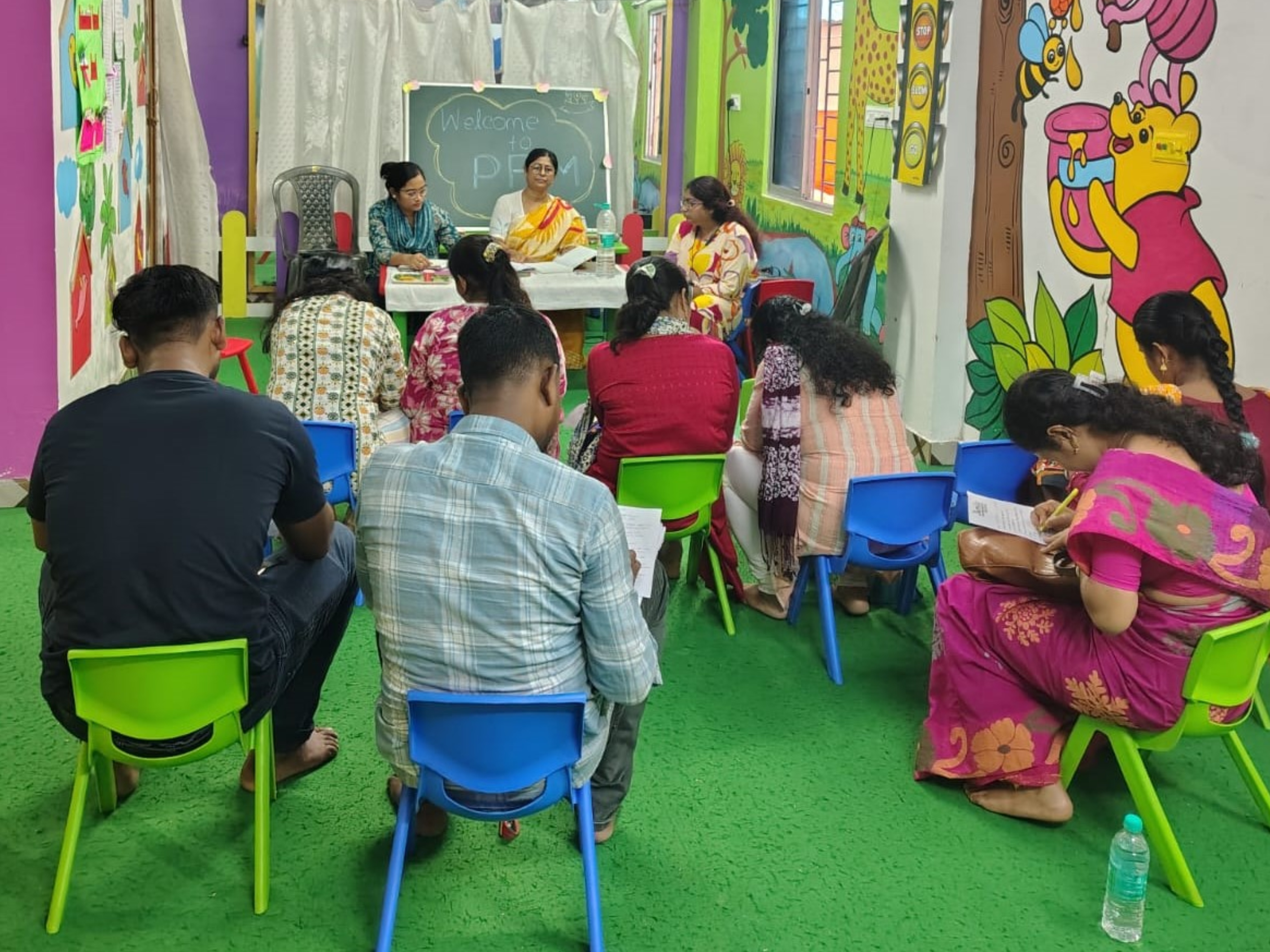
Trainees observe and learn professional parent communication including progress updates, handling queries, and conducting parent-teacher meetings effectively.
Structured observation sessions where trainees watch experienced teachers manage classrooms, deliver activities, and handle transitions and child interactions.
A structured four-step learning journey from observation to independent teaching.
Watch experienced educators teach in real classrooms. Understand methods, management, and interactions.
Assist with classroom activities under mentor supervision. Build confidence through guided involvement.
Create lesson plans and deliver activities independently. Apply theory to real classroom situations.
Get constructive feedback from trained mentors. Reflect, improve, and develop professional teaching skills.
Every trainee receives structured guidance and support throughout the practical training journey.
Each trainee is assigned a trained mentor who provides ongoing support, demonstrations, and professional guidance throughout practical training.
Mentors observe trainee sessions using standardised criteria and provide detailed written and verbal feedback for continuous improvement.
Regular feedback sessions help trainees identify strengths, address areas for improvement, and build reflective teaching practice.
From your first classroom observation to your final teaching session, SIAE provides guidance, mentoring, and resources to help you develop as a confident educator.
Common questions about SIAE practical training.
Practical training is delivered through hands-on sessions, demonstrations, guided activities and teaching practice. Depending on the programme and learner's location, sessions may be conducted at an authorised practical training centre or through LIVE interactive practical sessions.
Activities vary by programme and may include Montessori activities, storytelling, circle time, literacy and numeracy, art & craft, music & movement, TLM preparation, lesson planning, classroom management and teaching practice.
Learners receive guidance from experienced faculty and mentors during practical sessions, with support in activity presentation, lesson planning, teaching practice and improvement of classroom skills.
Assessment may include practical demonstrations, assignments, teaching practice, portfolio work, internship evaluation, viva and final practical assessment, depending on the programme.
Practical sessions are scheduled according to the requirements of each programme. Learners are informed of the session calendar and LIVE/practical training schedule in advance.
Where available, practical training may be conducted at an authorised My Junior School (MJS) or approved practical training centre. Alternative arrangements, including LIVE practical sessions, may be provided where appropriate.
Learners are expected to complete the prescribed practical training and assessment requirements of their programme to qualify for successful completion and certification.
Learners will be informed in advance about any materials or simple activity resources required for a LIVE practical session. Demonstrations and guidance will be provided by the faculty.
No. Practical training develops specific teaching and classroom skills, while internship provides supervised exposure to an actual educational environment and an opportunity to apply those skills. Applicable SIAE programmes include supervised internship or teaching practice.
Join SIAE and develop real teaching skills through structured classroom practice, expert mentoring, and hands-on experience at My Junior School centres.