
Real Classroom Experience
Explore how seven practical learning areas help aspiring educators connect teacher-training concepts with classroom participation, planning, communication and reflective observation.
Choose an Experience to Explore
Select any section below to move directly to its detailed explanation. Every area supports a different part of practical teacher preparation.

 01
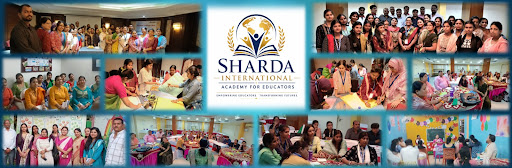
01Active Learning Through Participation
Hands-on activities help trainees understand how young learners explore ideas through movement, materials and guided participation. The focus is on connecting a clear learning purpose with an experience children can actively engage in.
What trainees focus on
- Choose safe, age-appropriate materials
- Explain the purpose of each activity clearly
- Observe participation and adapt guidance
- Reflect on what supported learning
 02
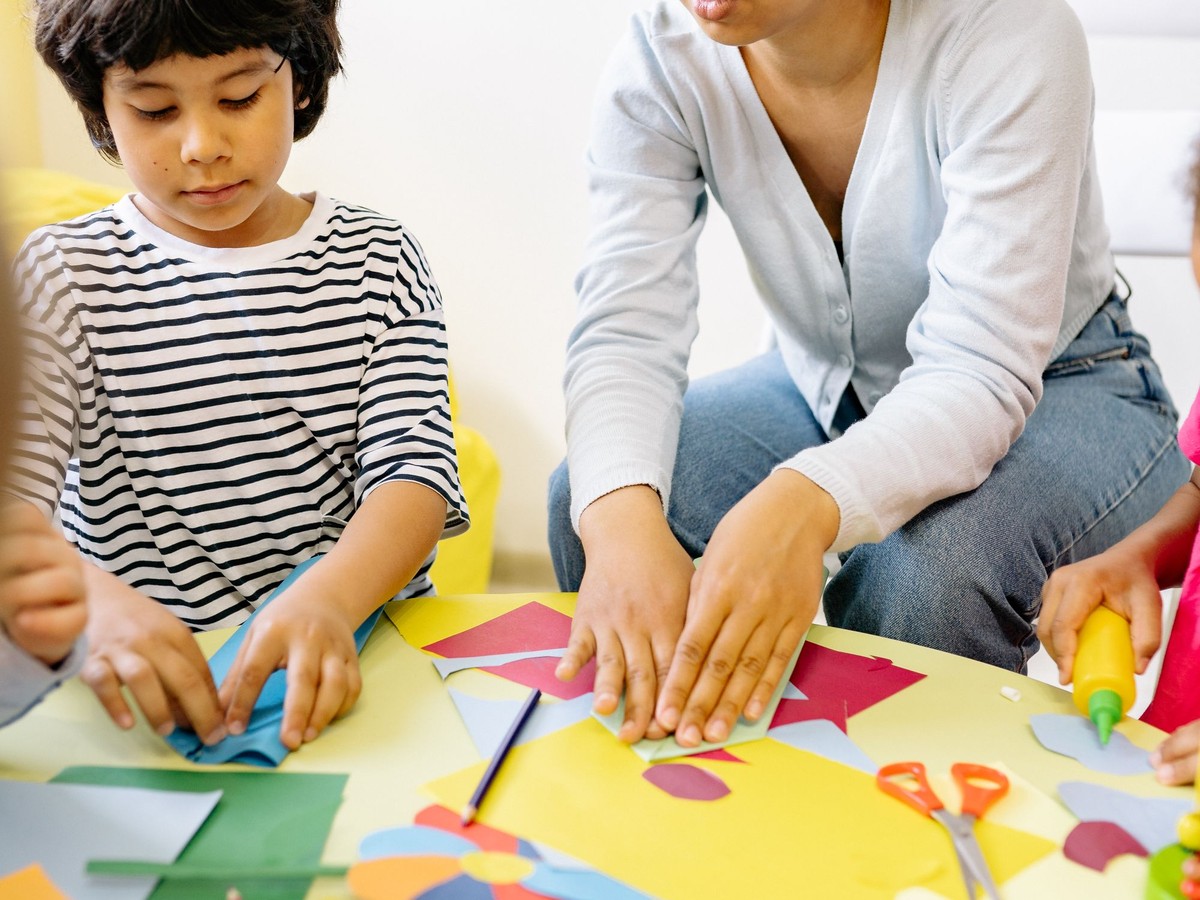
02Creativity with Purpose
Craft experiences show how creative materials can support expression, planning and fine-motor participation. Trainees learn to organise resources, demonstrate a process and encourage individual responses without requiring identical results.
What trainees focus on
- Prepare materials before the session
- Demonstrate one step at a time
- Encourage creativity and choice
- Keep the activity safe and manageable
 03
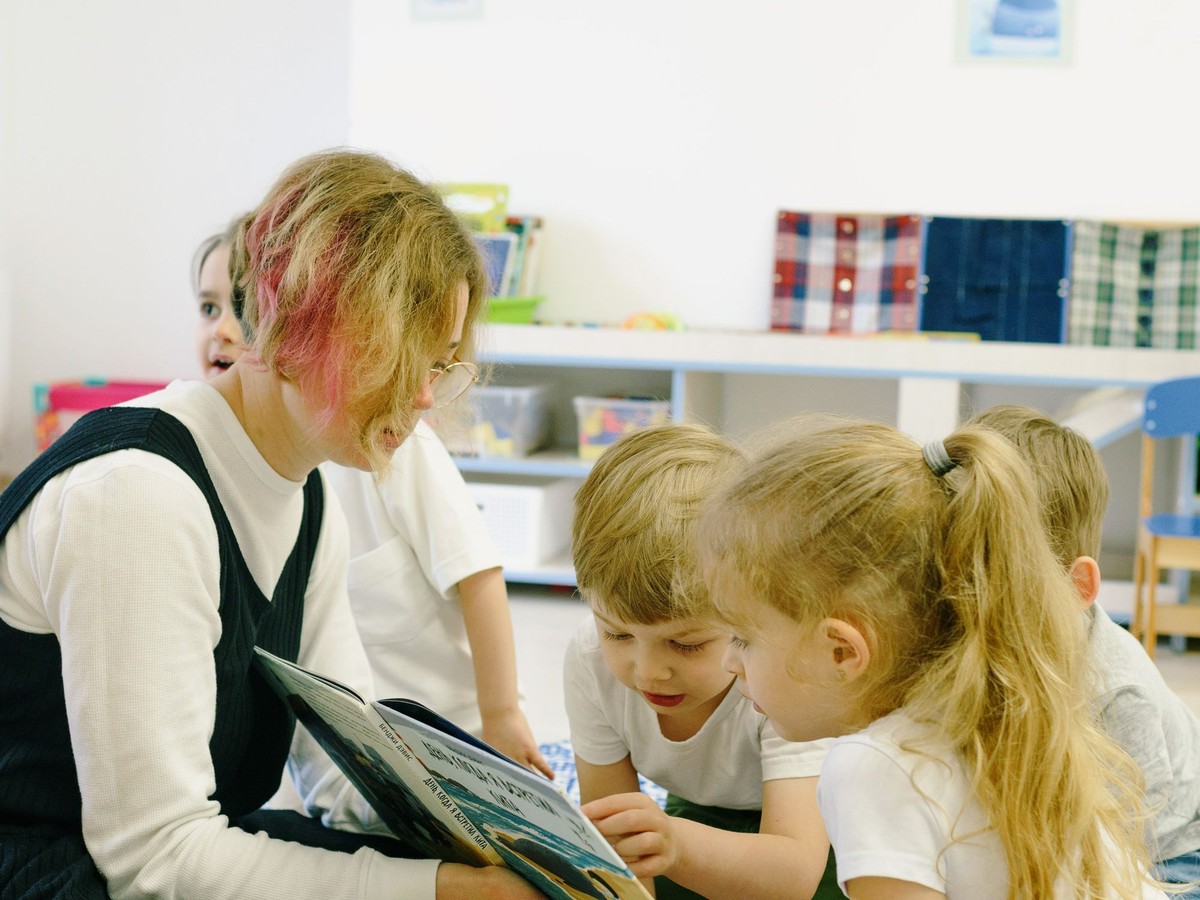
03Building Connection Through Stories
Storytelling develops expressive communication and helps educators practise voice, pacing, questioning and learner engagement. A well-planned story session can invite prediction, conversation and imaginative participation.
What trainees focus on
- Select an age-appropriate story
- Use expression, pauses and visual cues
- Invite predictions and responses
- Connect the story with a simple follow-up activity
 04
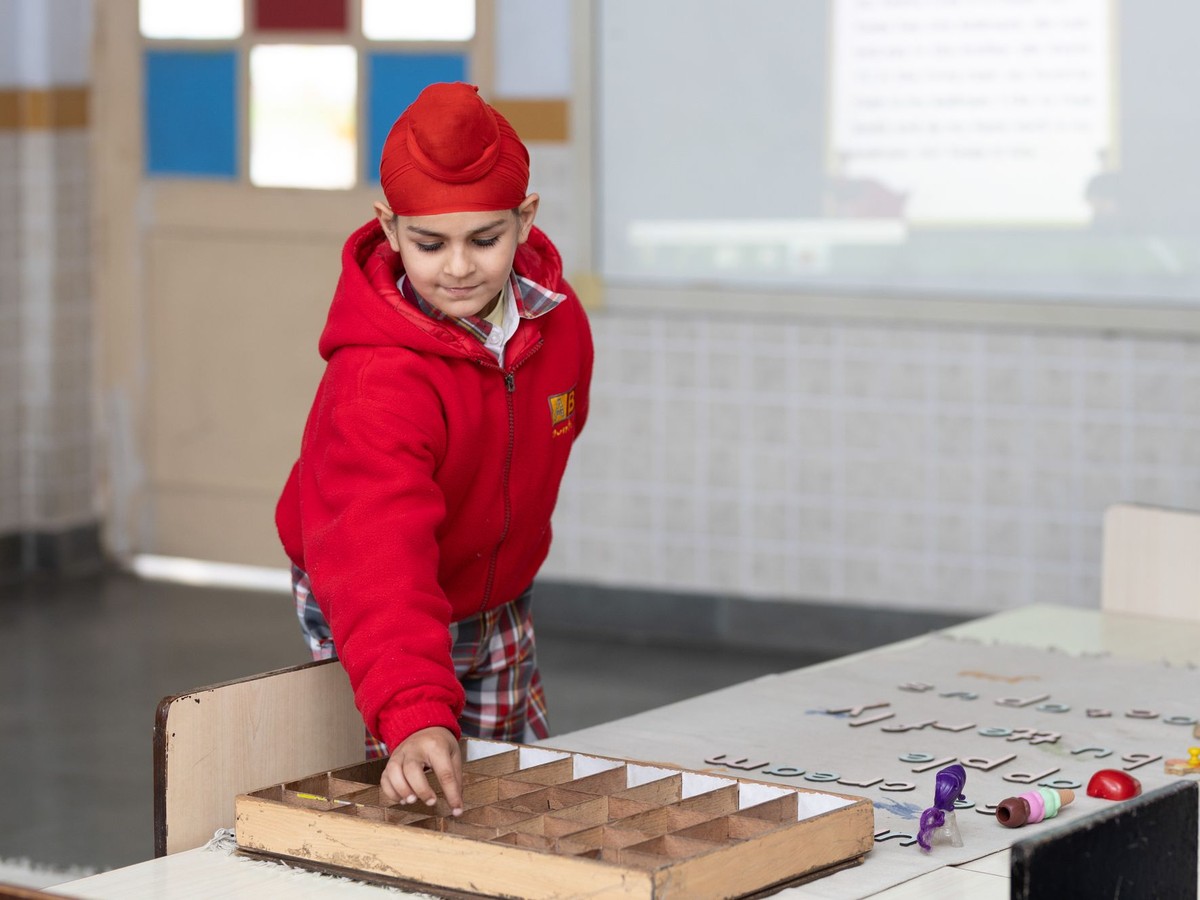
04Purposeful Learning Materials
Montessori-oriented demonstrations introduce purposeful materials, practical-life experiences and careful observation. Trainees focus on presenting materials clearly and allowing learners time to explore with growing independence.
What trainees focus on
- Arrange an orderly learning environment
- Present materials slowly and clearly
- Observe before intervening
- Encourage care, focus and independence
 05
05Turning Objectives into Classroom Experiences
Lesson planning connects learning objectives with activities, resources, interaction and reflection. Trainees practise creating age-appropriate sequences while remaining responsive to how learners participate.
What trainees focus on
- Define a clear learning objective
- Sequence introduction, activity and reflection
- Prepare suitable resources
- Review the lesson and refine the next plan
 06
06Professional and Respectful Communication
Parent-interaction preparation helps trainees communicate observations and learning progress with clarity and care. The emphasis is on listening, using factual language and maintaining professional boundaries.
What trainees focus on
- Prepare relevant observations
- Listen carefully and respectfully
- Use clear, constructive language
- Keep the conversation focused on learner support
07Learning by Watching Practice
Structured teacher observation helps trainees notice classroom organisation, interaction, routines, activity transitions and learner responses. Observation becomes most useful when it is recorded and followed by reflection.
What trainees focus on
- Observe routines and classroom organisation
- Notice teaching and questioning methods
- Record learner responses objectively
- Discuss observations and identify practical lessons
Prepare for the Classroom with Practical Learning
Explore SIAE programmes and the complete practical-training model.